Hey there, if you’ve ever worked with traditional formwork—like wood that warps, steel that’s a pain to haul, or aluminum that rusts out too fast—you know how much of a headache it can be. That’s where PVC formwork comes in, right? It’s lightweight, super durable, and way less fussy than the old-school stuff. As a PVC formwork supplier, I’ve helped tons of contractors (from small residential crews to big commercial teams) nail down the installation process, and let me tell you, it’s way simpler than you might think. No fancy tools, no complicated steps—just solid, reliable work that gets your project moving. Let’s break it down like we’re chatting over a coffee, no jargon required. PVC Formwork
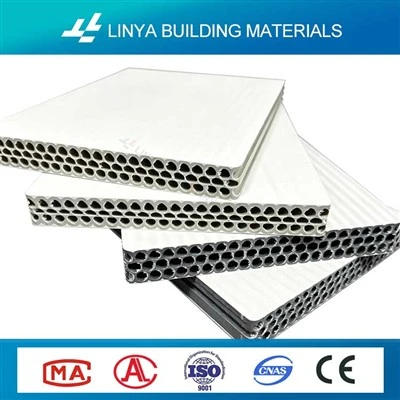
First off, let’s talk prep because skipping this part is where most people mess up. I see it all the time: someone grabs PVC panels, tries to hammer them straight to a concrete foundation, and ends up with gaps, uneven edges, or panels that shift when they pour concrete. Prep doesn’t have to be a big project, but it’s non-negotiable. Start by clearing the area where you’re setting up formwork—pull out any rocks, dirt clumps, or leftover debris that could get between the form and the ground or previous layer of concrete. If you’re working on a foundation or a slab, make sure the base is compacted and level; you can use a hand tamper (or a plate compactor for bigger jobs) to get that right. Pro tip: if there are any low spots, fill them with a little gravel or sand and tamp it down so nothing settles later. Oh, and measure twice, cut once? Wait, no—wait, measure twice, mark twice, because PVC panels are rigid, so cutting them wrong means wasting material (and that’s money you don’t wanna lose). Before you even touch a panel, map out your layout: how long are the walls you need? How tall? Make marks with chalk or spray paint so every panel lines up where it’s supposed to.
Next, gather your tools. You don’t need a whole workshop’s worth, just the basics. A tape measure, obviously, a utility knife (or a circular saw with a fine-tooth blade if you’re cutting multiple panels, trust me, fine-tooth is key—no splintered edges), a drill with screwdriver bits, clamps (bar clamps or pipe clamps work great), stakes (wood or metal, 12-18 inches long for most jobs), and some galvanized nails or self-drilling screws. Wait, why galvanized? Because regular nails will rust, and that can leave marks on your concrete or even damage the PVC over time. Avoid staples, too—they’re flimsy and don’t hold the form tight when concrete is poured. If you’re working on bigger panels (like 4×8 foot ones, which are standard for PVC), you might also need a level to make sure everything is plumb and straight. Oh, and wear gloves and safety glasses—you’ll be cutting PVC, which can create tiny shavings, and drilling into rigid material, so better safe than sorry.
Now, let’s get to the actual installation step-by-step, starting with the base. Your first row of panels is the most important because it’s the foundation for everything above. Line up the first panel where you marked it, then make sure it’s sitting flat on the compacted base. If there’s a gap between the bottom of the panel and the ground, don’t just leave it—fill it with a little sand or a thin strip of PVC cut to size. Gaps mean concrete will leak out, which wastes material and creates uneven edges. Once the first panel is in place, secure it with stakes. How many stakes? For a 4-foot tall wall, place a stake every 2 feet along the bottom edge, driving them at a 45-degree angle into the ground so they pull the panel tight. Wait, no—wait, if you’re working on a vertical panel, stakes go on the outside, right? Yeah, angle them towards the panel so when you drive them in, they hold the panel firmly against the ground. Now, for the next panel: you wanna butt it right up against the first one, no overlap, because that would make your wall thicker than planned and waste material. How do you seal the seam? PVC has a smooth surface, so sometimes there’s a tiny gap between panels—you can use a little silicone caulk (waterproof, of course) along the seam on the outside, or even a strip of PVC tape if you don’t have caulk handy. That stops concrete from seeping through. Secure the second panel to the first one, too—you don’t want them shifting mid-pour. Drill two screws along the inside edge where they meet, one near the top and one near the bottom, and same for the stake.
Wait, what about bracing? That’s a step a lot of first-timers forget, especially for taller walls. If your wall is over 4 feet high, you need horizontal braces (called wales) to keep the panel from bowing out when concrete is poured. PVC wales work perfect here—you can get them as standard lengths, or cut them to size. How do you attach them? Clamp the wale to the outside of the panels, every 2 feet along the height, then drive screws through the wale and into the panel, or use metal clips made specifically for PVC formwork (way faster than drilling every time). Then, you need diagonal braces to hold the wall plumb—these go from the top of the wall to stakes driven in the ground on the opposite side. Diagonal braces prevent the wall from leaning, which is a huge problem once concrete is set. For walls over 8 feet tall, you might even need middle bracing, not just top and bottom. I always tell contractors: better to add an extra brace than to have to fix a bowed wall later. It takes 10 extra minutes and saves you hours of work.
What about corners? Corners are where mistakes really show up, so take your time here. For a 90-degree corner, you have two options: either miter the end of each panel at 45 degrees so they butt together perfectly, or use a PVC corner piece (super common, and way faster for most jobs). If you’re mitering, use your circular saw with that fine-tooth blade to get a clean cut, then butt the panels, seal the seam with caulk, and drive screws at the corner to hold them tight. If you’re using a corner piece, just slide it over the ends of both panels, clamp it, and drill screws through the corner into each panel—no mitering needed, which is a lifesaver if you’re on a tight timeline. For inside corners, same logic: either miter or use a corner piece, just make sure it’s aligned so the wall stays straight.
Wait, what about openings? Like for doors or windows? That’s another spot where you need to plan ahead. First, mark where the opening is on your panels, then cut a hole (or a section) out of the panel where the opening will go. You’ll need to install “headers” and “sills” here—these are pieces of PVC that go above and below the opening, attached to the main formwork. The headers and sills should extend past the opening by at least 12 inches on each side to support the concrete that will be poured around it. Once you cut the opening, make sure the edges are smooth (use sandpaper if you have any rough spots) so there’s no gap for concrete to leak. Secure the headers and sills to the main panels with screws, then add extra braces around the opening to keep the form from shifting when concrete is poured—openings put extra pressure on the form, so they need more support than straight walls.
Now, pouring concrete? Wait, no, the question is installing PVC formwork, so let’s not get too into the pour, but a quick note: once your form is all set, double-check everything before you pour. Run a level along every panel to make sure it’s plumb (not leaning left or right). Check all the seams for gaps—run your hand along the outside, if you feel any concrete seepage, caulk it right away. Make sure all stakes and braces are tight—give them a little tug, if they move, drive them deeper or add an extra stake. I can’t tell you how many times I’ve had a contractor call me panicking because a form shifted during the pour, and it’s always because they skipped the final check. Take 15 minutes to go over every inch, and you’ll save yourself from a big mess later.
Wait, is there anything else? Oh, handling PVC panels—they’re lightweight, which is one of their biggest perks, but they’re still rigid, so don’t drop them or drag them roughly, because that can cause chips or cracks. Damaged panels can lead to leaks or weak spots in the form, so store them flat when you’re not using them, lean them against a wall with something supporting the top so they don’t fall. Also, if you’re reusing panels (which you absolutely should—PVC formwork lasts way longer than wood or steel), make sure to clean them after each use—scrape off any leftover concrete with a plastic scraper (no metal, that can scratch the PVC), and wipe them down with a mild detergent. That keeps them in good shape for the next job.
As a PVC formwork supplier, I’ve seen firsthand how this process works for all kinds of projects. Whether you’re doing a small backyard patio, a residential foundation, or a big commercial parking lot, PVC formwork cuts down on time, materials, and headaches compared to traditional options. The best part? You don’t need specialized skills—if you can follow a set of steps, you can install PVC formwork like a pro. No fancy training, no expensive tools, just the right prep and a little attention to detail.
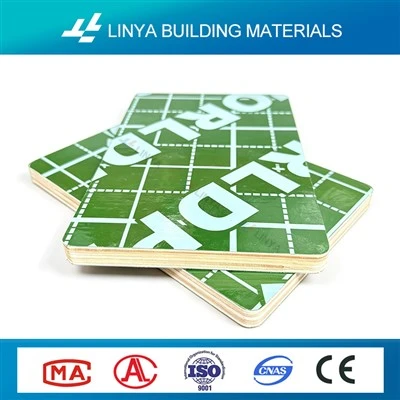
If you’re gearing up for a project and need PVC formwork (or just have questions about what size panels work best, or how much material you’ll need), hit me up—we can work out exactly what you need for your job, no pressure. Whether it’s a small order for a weekend project or a bulk order for a big construction crew, we’ve got you covered.
PP Formwork References
- American Concrete Institute. (2019). Guide to Formwork for Concrete (ACI 347R-19).
- PVC Construction Products Association. (2021). Best Practices for PVC Formwork Installation.
- National Association of Home Builders. (2020). Residential Formwork Solutions for Small to Mid-Sized Projects.
- Construction Safety Association of Ontario. (2018). Tool and Equipment Safety for Concrete Forming Operations.
Shenzhen Linya Building Materials Co., Ltd.
We are one of the most professional PVC formwork manufacturers and suppliers in China, also support customized service. Welcome to buy bulk high quality PVC formwork in stock here from our factory. If you have any enquiry about free sample, please feel free to email us.
Address: Bantian International Center, No.5 Huancheng South Road, Ma’antang Community, Bantian Street, Longgang District, Shenzhen
E-mail: linya@formworksteelprop.com
WebSite: https://www.linyabuildingmaterials.com/
