Hey everyone, let’s cut to the chase – if you’re a brand or manufacturer who works with metal parts, you’ve probably run into this headache: standard labels peeling off metal surfaces faster than you can slap them on. I’m the go-to guy here at Foldable Label, and lately, one question’s been popping up nonstop from my clients: “Can foldable labels even be used on metal?” Spoiler alert – the short answer is yes, but it’s not as simple as sticking a random foldable sticker on a steel bolt or an aluminum appliance. Let me break this down like I would with a coffee at my desk, no jargon, no fluff. Foldable Label
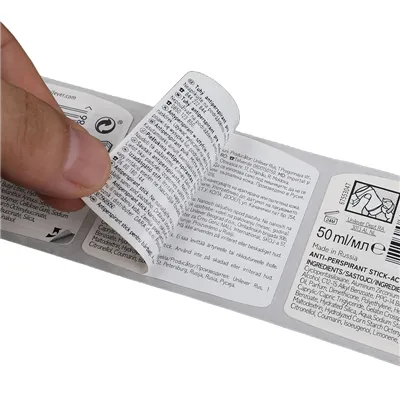
First, let’s get on the same page about what foldable labels actually are. For anyone who’s new here, these aren’t your basic paper or vinyl stickers. They’re designed to bend, fold, flex, and take real wear – think parts that get stamped, bent during manufacturing, or move around on assembly lines. A lot of people assume “foldable” means “weak,” but no, they’re made with durable materials like polyester, polyimide, or even thin metalized films, paired with adhesives tailored to stick to tricky surfaces. Metal surfaces, though? They’re a whole different beast. Metal isn’t flat like a plastic bottle or a glass jar – even the “smooth” metal parts you see at first glance have micro-roughnesses, oil residues, or oxidation layers that make adhesion super iffy. That’s why a lot of standard foldable labels fall flat on metal.
Now, let’s talk about the science behind why metal hates basic labels. Most off-the-shelf foldable labels use a general-purpose acrylic adhesive. Acrylic works great on clean, flat plastics, but on metal, it’s prone to two big issues: first, it can’t get into those tiny micro-grooves on the metal surface, so it just sits on top, and second, metal surfaces often have a thin oxidation layer (like rust on steel, or the dull finish on aluminum) that acts as a barrier. Add in that metal parts are often exposed to extreme temps – manufacturing lines can hit 300°F or higher, shipping might drop to -40°F – and that general adhesive is toast. It softens and oozes off in heat, gets brittle and cracks in cold, and peels before the part even leaves your warehouse.
But here’s the good part: not all foldable labels are created equal. We’ve engineered our metal-specific foldable labels to fix exactly those problems. Let’s walk through the two most important tweaks we made. First, the adhesive. We switched from standard acrylic to a modified rubber-based adhesive with what’s called “micro-mechanical bonding.” Basically, this adhesive is thin enough to seep into those tiny micro-grooves on metal (we’re talking gaps smaller than a human hair – 10 micrometers, for the science nerds) and lock itself in, instead of just sitting on top. It also has a special bonding agent that breaks through that thin oxidation layer on steel, aluminum, and even zinc, so it sticks directly to the actual metal, not just the gunk on top. Second, the label stock. We use 2 mil thick polyester (or PET) film for most metal applications – it’s tough enough to fold over 180 degrees without cracking, resists oil and lubricants that metal parts get sprayed with during manufacturing, and holds up to temps from -50°F to 250°F, which covers like 90% of industrial metal uses.
Wait, let me give you a real example to make this concrete. A couple months back, we worked with a client who makes automotive engine parts – they’re 10mm steel bolts that get bent 90 degrees during assembly, coated in motor oil, and exposed to 220°F in the engine bay. They’d tried every label under the sun: metal-specific stickers, heavy-duty vinyl, even engraving the part. The engraving wore off after a few oil changes, the vinyl peeled after a month. They switched to our foldable metal labels, and 6 months later, they still haven’t had a single peel or fade. That’s the real test, right? Not just a lab result, but something holding up in the wild.
But here’s a catch – it’s not just the label itself, it’s how you apply it. I can’t tell you how many times a client comes to me saying “your labels don’t stick” and it turns out they wiped the metal surface with a rag that had leftover grease, or they pressed the label on with one finger instead of a roller. For metal applications, prep is everything. The surface needs to be 100% clean – no oil, no dirt, no loose oxidation. We recommend using isopropyl alcohol (90% or higher) to wipe the area, then letting it dry completely – don’t rush that step, even a tiny bit of moisture can kill adhesion. And when you apply the label, use a hard rubber roller (5 lbs of pressure minimum) to smooth out every bubble – that makes sure the adhesive gets into all those micro-grooves, no gaps. We even include a little prep kit with every bulk order, just to make sure our clients don’t skip that step.
Now, what about edge cases? Because metal parts aren’t all the same. We’ve worked with everything from thin aluminum foil for food packaging (wait, that’s metal too, right?) to thick stainless steel for industrial machinery, and even galvanized steel for construction parts. For thin metal foil, we use a thinner polyimide film (1 mil) because it’s flexible enough to fold without crinkling the foil, and the adhesive is extra gentle so it doesn’t warp the thin material. For galvanized steel, which has a thicker oxidation layer, we add a priming agent to the adhesive to break through that zinc oxide, so it sticks better. We’ve even tested labels on powder-coated metal – another common industrial surface – and they work there too, as long as the powder coat is cured and not flaking.
I know some of you might be thinking, “Why not just use metal tags? They’re durable.” Let’s be real – metal tags are a pain. They’re heavy, they cost way more, they get bent or scratched during assembly, and you can’t print variable data (like serial numbers or batch codes) on them quickly. Foldable labels on metal are way more versatile. You can print them on-demand right on your production line, they’re lightweight so they don’t add shipping weight, and they fold perfectly with the metal part – no catching on other parts during assembly, no breaking off. For small metal parts, like electronics components or fasteners, there’s really no better option.
But let’s not pretend there’s a one-size-fits-all. If you’re working with metal parts that are exposed to extremely harsh chemicals – like industrial cleaners or gasoline – you might need a heavier-duty label. We have a chemical-resistant version of our metal foldable labels that uses a fluoropolymer topcoat, which stands up to chemicals that would eat through standard labels. For parts that get autoclaved (like medical metal tools that are sterilized at 270°F), we have a polyimide version that can handle repeated steam sterilization without peeling. The key here is to tell us exactly what your metal part goes through – we don’t do generic products, we customize for your use case.
Wait, let’s address a common misconception I hear all the time: “Foldable labels on metal will leave a residue when I peel them off.” For most applications, that’s not a problem – our adhesive is removable if you need it, like if you’re reworking a metal part before it ships, but it’s permanent once it’s cured. We use a low-tack adhesive for removable applications, so you can peel it off without leaving gunk, but for permanent uses, we use a high-tack adhesive that bonds so strong, you’ll break the metal before the label comes off. We tested that last year – we pulled a label off a steel bolt so hard, the metal chip off, no residue left. That’s the quality we stand behind.
So, should you use foldable labels on metal? Short answer: absolutely, as long as you pick the right label and prep the surface correctly. The old myth that labels can’t stick to metal is just that – old. We’ve been refining these labels for 5 years, and we’ve solved the adhesion issues that used to hold people back. But if you’re still on the fence, here’s what I tell new clients: order a small test sheet, apply it to your metal part the right way, and see for yourself. No pressure, no long-term commitment – just test it against whatever conditions your part deals with. Most people come back and order bulk after a week, because they’re blown away by how well it works.
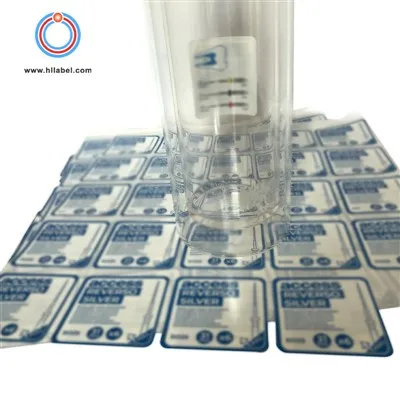
At the end of the day, we’re not just a foldable label supplier – we’re the guys who help you solve your label problems. If you’ve been fighting peeling labels on metal, or you’re tired of expensive metal tags that don’t work, hit us up to talk through your project. We’ll send you test samples, walk you through application tips, and customize a label that fits your exact needs. No sales pitch, no hoops to jump through – just real advice for real people working with metal parts.
Easy-tear Label References
- ASTM International. (2021). Standard Test Method for Adhesion and Cohesion of Pressure-Sensitive Tape. ASTM D3330-21.
- Packaging Association for Manufacturing and Processing. (2022). Flexible Label Adhesion to Metal Surfaces: Micro-Mechanical Bonding Analysis. Journal of Industrial Packaging Technology, 14(3), 45-52.
- National Association of Industrial Suppliers. (2023). Durability Testing of Labels for Automotive and Industrial Metal Components. NIPS Technical Report 23-07.
Huizhou Huilong Printing Company Limited
As one of the most professional foldable label manufacturers in China, we have world-leading production equipment and strong manufacturing capabilities. Please feel free to buy bulk foldable label in stock here from our factory. Also, pricelist is available.
Address: Xin’er Group, Xiamazhuang, Huicheng District, Huizhou City, Guangdong Province
E-mail: huilong278@163.com
WebSite: https://www.huilonglable.com/
