If you’ve ever grabbed a bottle of bathroom cleaner from a store shelf, chances are you didn’t think much about the thin, stretchy film wrapped around it—unless it looked a little crumpled or weirdly loose. But as a PVC film supplier, I see that film every single day, and let me tell you: that PVC film isn’t just there to look pretty. It’s the unsung hero of cleaning product packaging, and the stuff it does might surprise you. PVC Film
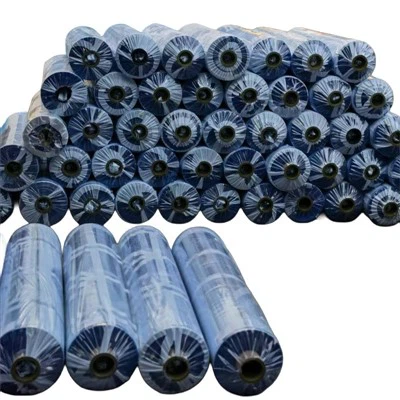
First off, let’s cut through the noise. When people talk about cleaning products, they’re usually focused on the spray nozzle or the bottle grip, right? But the packaging film is what protects the actual product until you’re ready to use it. For cleaners like bleach, bathroom mold remover, or even all-purpose spray, there’s a huge problem with moisture and chemicals escaping if the seal isn’t tight. PVC film is way better at blocking those than, say, the thin plastic wrap you use for leftovers. Wait, let’s be real—leftover wrap tears if you look at it wrong. PVC? It stretches, it seals clean, and it doesn’t let fumes seep out. That’s a big deal because no one wants a closet full of bleach fumes leaking from their grocery bags before you even get home.
Let’s break down the actual uses, because I’ve dealt with this first-hand with clients making all kinds of cleaning goods. One big one is shrink wrap for individual bottles. You know how some spray cleaners have that tight clear film around the cap and neck? That’s PVC shrink film. Why PVC and not another plastic? Well, it’s cheaper than alternatives like polypropylene, which is a big win for cleaning brands that have to keep costs down for consumers. Also, it shrinks evenly when you heat it—so no lopsided wrap that looks like it was done by a toddler. For bleach specifically, which is super corrosive (I’ve had samples drip on my desk, don’t ask), PVC doesn’t break down when it touches the residual chemical on the bottle neck. Other films? They get brittle, crack, and leave gaps. That’s a safety nightmare. If a kid gets into a bleach bottle with a broken seal, that’s a whole other problem. So the PVC film’s chemical resistance is non-negotiable here.
Another use case: blister packs for single-use cleaning wipes. Wait, you know those travel packs of glass cleaner wipes or disinfectant wipes that you toss in your gym bag? The front is a thin, clear plastic, and the back is a thick card—but sometimes the sides are PVC film. Why? Because PVC is flexible but tough. If you stuff that pack in your pocket and sit on it, the PVC doesn’t rip open easily, and it keeps the wipes from drying out. Cleaning wipes lose their moisture if the packaging isn’t airtight, right? I’ve had clients switch from a different film that let air get in, and their wipes were dry before the end of the month. With PVC, the moisture vapor transmission rate (that’s the fancy term for how fast stuff passes through the film) is super low. So those wipes stay wet, and the cleaning product (usually alcohol or a mild detergent) doesn’t evaporate. Also, since single-use packs are small, the film has to be easy to puncture when you tear it open. PVC balances that perfectly—you don’t have to use scissors, but it doesn’t accidentally tear open in your bag when you don’t want it to.
Then there’s the bigger stuff: overwrap for cases of cleaning products. If you’ve ever bought a 12-pack of all-purpose spray, the whole thing is wrapped in a big plastic sheet. That’s PVC film, too. Why not stretch film? Stretching film is good for pallets, but for cases, PVC is clearer, so store shelves look neat and you can see how many bottles are in the pack. Also, it’s strong enough that you can lift the whole 12-pack by the wrap without it breaking. I’ve had clients tell me that before they switched to our PVC film, they’d have cases split open on the store floor, spilling cleaners all over the aisle. That’s bad for the store, bad for the brand, and bad for everyone stepping in it. Now, with our film, that’s almost eliminated. The PVC’s tensile strength (how much it can pull before breaking) is way higher than regular stretch wrap, so it holds up during shipping and stocking.
Wait, let’s not forget labeling. Some cleaning products use PVC film as a label itself, instead of a paper label stuck on the bottle. For example, the big jugs of concentrated window cleaner at warehouse stores—they have a clear PVC label that shows the product inside, with bold text printed right on it. Why PVC? Because it’s waterproof. If a cleaner drips on the jug, the paper label smudges, the ink runs, and no one can read the instructions for how much to use. PVC doesn’t do that. Also, it’s conformable, so it sticks to the curved shape of a big plastic jug without bubbling or peeling. I’ve had a client who used to use paper labels for their concentrated cleaners, and they complained that 1 out of every 20 jugs had smudged labels on the shelf. Now, with our PVC film labels, that number is less than 1 in 1000. That’s a huge win for brand consistency, too—every jug looks the same, no messy ink spots.
Now, I know some people out there have questions about PVC, and I’m not going to ignore that. A few years back, there was some talk about PVC being hard to recycle, and sure, that’s a valid point. But here’s the thing: most cleaning product packaging is handled in commercial recycling programs now, and PVC can be recycled effectively when it’s separated from other plastics. Plus, our team has been working on making more eco-friendly PVC formulations—we use less plasticizer (the stuff that makes PVC bend instead of being rigid) and we’re partnering with recycling centers to set up take-back programs for used cleaning product packaging. I get it, consumers care about sustainability, so that’s a big part of what we do as a supplier—we don’t just sell film, we help our clients make their packaging work for both their bottom line and the planet.
Let me also talk about some behind-the-scenes stuff that not everyone knows. When a brand is developing a new cleaning product, they test every part of the packaging to make sure it works. That means leaving the film in contact with the cleaner for weeks to see if it breaks down. Our team does that testing in-house all the time. I once had a client testing a new, extra-strong oven cleaner that’s designed to dissolve burnt-on food—they were worried the film would melt. We ran tests for 30 days, and the PVC film held up perfectly. That’s the kind of thing that matters; if the packaging can’t handle the product, the whole launch falls apart.
Another angle: cold storage. Some cleaning products, like those with natural enzymes, are sold in refrigerated sections at grocery stores. PVC film doesn’t get brittle in cold temperatures, unlike other plastics. I’ve had a client who sold enzyme-based carpet cleaners in the refrigerated aisle, and they tried a different film that would crack when stored at 40°F. Our PVC film? It stays flexible, no cracking, no gaps. So the enzymes stay active, and the product works as it’s supposed to. That’s a small detail, but it’s the kind of thing that makes a brand trust us as their supplier.
Wait, let’s touch on cost, too. Cleaning products are usually priced for regular use, so brands can’t afford to overspend on packaging. PVC is way more cost-effective than other barrier films, like PVDC or certain types of PET. For small brands that are just starting out, that difference is huge—it lets them keep the product price down while still using a high-quality packaging film that does the job. I’ve worked with a lot of startup cleaning brands, and they always tell me that our film was a game-changer because it fit their budget without sacrificing protection.
Now, let’s get real about real-world scenarios. Last year, a client of ours had a shipment of 5000 all-purpose spray bottles that were being shipped across the country. The truck got caught in a rainstorm, and the pallets got a little wet. The PVC shrink wrap around the cases kept the moisture out, so none of the boxes inside got wet. If they’d used a different film, the water would have seeped in, the boxes would have gotten ruined, and they’d have lost thousands of dollars in product. That’s the kind of thing that makes our work matter—we’re not just selling a roll of film, we’re protecting our clients’ products and their business.
But here’s the thing: it’s not just about protection. The film also helps with shelf appeal. Clear PVC film lets the bright colors of the cleaning product (like the blue in window cleaner, the green in all-purpose spray) show through. When you’re walking down a store aisle, that color catches your eye, and that’s half the battle. Other films might be cloudy or have a yellow tint, so the product doesn’t look as vibrant. Our PVC film is crystal clear, so the product looks as good as it works. Plus, it can be printed on easily—so brands can add their logo, their cleaning instructions, and their safety warnings right on the film, no extra label needed. That cuts down on material waste, too, because you don’t have to use two separate materials.
I know I’ve thrown a lot out there, but the bottom line is: PVC film is way more than a “wrap” for cleaning products. It’s a barrier against chemicals, moisture, and damage. It’s flexible, it’s cost-effective, it works in all kinds of temperatures, and it looks good on the shelf. I’ve been supplying PVC film for over 10 years, and I’ve seen firsthand how it’s saved brands from mistakes, protected consumers, and made cleaning product packaging stronger.

If you’re a brand owner, a packaging engineer, or anyone who works with cleaning product packaging and you’re looking for a film that actually does what it’s supposed to—no crumples, no leaks, no smudged labels—we can hook you up. We do custom formulations, we run all the tests you need, and we work with your budget. Just reach out to talk through what you’re working on, and we’ll help you find the right PVC film for your cleaning product packaging.
PVC Printing Film References
- Modern Plastics Encyclopedia: PVC Applications in Industrial Packaging, 2022
- Journal of Applied Packaging Research: Barrier Properties of PVC Film for Corrosive Chemical Products, 2021
- Consumer Product Safety Commission: Packaging Materials for Household Cleaning Goods, 2020
- Sustainable Packaging Coalition: PVC Recycling Infrastructure for Consumer Goods, 2023
- Packaging Technology and Science: Shrink Wrap Performance for Retail Cleaning Products, 2022
Nantong Dahe Composite New Material Technology Co., Ltd.
We’re well-known as one of the leading PVC film manufacturers and suppliers in China, specialized in providing high quality customized products to global clients. Please feel free to wholesale cheap PVC film in stock here from our factory. Contact us for quotation and free sample.
Address: South Side of Pinghai Highway, Pinghe Village, Dongshe Town, Tongzhou District, Nantong City, Jiangsu Province, China
E-mail: nantongdahe@outlook.com
WebSite: https://www.cndahetech.com/
