Hey there, it’s Mia from your go-to stormwater gear squad, and today we’re diving into a question I get all the time from property managers, civil engineers, and even small town public works folks: Can stormwater grates actually hold their own in areas with super high sediment loads? Let’s cut to the chase—no stuffy textbook jargon, just real talk from someone who’s been in the thick of this with our grates for years. Stormwater Grate
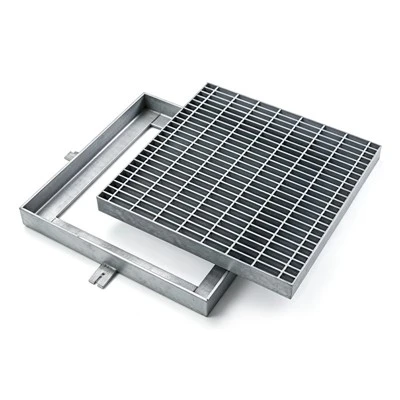
First, let’s be clear about what “high sediment loads” actually means here. We’re talking areas where runoff drags in tons of dirt, sand, construction debris, silt, even tiny rock fragments every time it rains. Think new development sites, agricultural fields right up against streets, older neighborhoods with crumbling sidewalks that shed concrete dust, or areas near riverbeds that get stirred up during storms. If you’ve ever stood by a drain after a heavy downpour and watched that murky, brown muck swirl through, that’s the stuff. And if your grate isn’t built for that? That muck clogs it up fast—leads to standing water, flooding, even water pollution because that sediment doesn’t get filtered like it’s supposed to.
I used to work with a small city in the Midwest a couple years back. They had a stretch of road running right next to a new housing development, and their old standard grates were useless there. Every spring, when all that loose construction dirt washed off the site, their drains would clog so bad they’d have to send a crew out to manually scoop out sediment every 72 hours. It was a nightmare—costing them thousands in overtime, plus they had a couple of minor flood incidents when a big storm hit and the grates couldn’t keep up. They thought they’d have to rip out all their drains and replace them with custom, super expensive ones… until they reached out to us.
So, what makes a stormwater grate good for high sediment loads? Let’s break this down the way I explain it to customers, not a engineer manual. First, the opening size. If your grate has gaps that are too small, sediment packs in instantly. Too big, and you’re letting debris float right through, which clogs the pipes downstream. We design our sediment-specific grates with variable gap sizes—1-inch openings for the main flow, and a little wider spots where the heavier, denser sediment can settle safely inside the grate’s catch basin instead of sitting on top of the grate itself. That’s a game-changer. The city I mentioned earlier swapped their old grates for these, and their maintenance crew only has to empty the catch basins twice a year—half the work, way less money.
Next, the grate’s structure. Think of it like a sieve that doesn’t get glued shut. Our grates are made from heavy-duty cast iron, but we added slightly sloped side walls inside the catch basin. So when runoff hits, the water speeds up just enough to carry lighter debris (like leaves) through, but slows down just enough to let that heavy silt and sand drop to the bottom of the basin, where it’s easy to scoop out. No more muck piling up on the grate surface. We also added a little “sediment lip” at the back of the grate—prevents that settled sediment from getting washed back up into the drain when the next heavy rain hits. That’s a feature I’m really proud of; another customer in Texas (super sandy soil there!) told us last year that even after a hurricane, their sediment levels in the drains were 70% lower than before.
Wait, but I know what some of you are thinking: “What about construction sites? Those places have insane sediment loads for months at a time.” I get it. A few months back, we worked with a general contractor out in Arizona who was building a new commercial mall. Their site prep was kicking up so much dirt that their temporary grates were clogging every single storm. They tried cleaning them every night, but with monsoon season approaching, that wasn’t sustainable. We supplied them with our temporary high-sediment grates—light enough to move around, but with the same gap and slope design. They only had to clean them once a week, and by the time they finished site prep and paved the roads, they didn’t have to replace a single grate. Saved them like $12,000 in labor alone.
Of course, it’s not just the grate itself—installation matters too. I always tell people: don’t just drop a new grate into an old, lopsided drain. If the grate sits unevenly, sediment builds up along the edges and clogs the gaps way faster. We offer free installation consultations, actually—our team will come out (or do a virtual check-in if you’re far away) to make sure your grate is set at the perfect height, with a slight slope toward the drain inlet to encourage water flow, not standing water. That little tweak makes a huge difference. We also recommend adding a simple catch basin liner if you’re in an area with really extreme sediment—something that lets water pass through but traps the tiny silt particles. It’s cheap, and it cuts down cleaning time even more.
But wait—are there any catch? Let’s be real, nothing’s perfect. If you get a grate designed for moderate sediment, and you dump 100 pounds of construction dirt on it every storm, it’s gonna clog. The key is matching the grate to your specific sediment load. We run free site assessments for that, actually—we ask questions like: How many construction projects do you have going on? What’s the soil type in your area? How often do you get heavy rain? Then we’ll point you to the right grate, not try to upsell you on something you don’t need. I’ve had customers come to us thinking they need a $500 custom grate, when they actually need our standard high-sediment model that’s half the price. That’s the kind of transparency we stand for.
Another thing I get asked a lot: “Do these grates cause more standing water because they hold sediment?” Nope—here’s the thing: when sediment is settled in the basin, it doesn’t block the water flow like it does when it’s piled on top of the grate. Our design lets water flow through the gaps even when there’s a few inches of sediment at the bottom. Compare that to old grates where the sediment is sitting on the surface, covering all the gaps—those stop water cold, leading to floods. A customer in Oregon told us last year that during a winter storm, their old grates backed up and flooded a parking lot, but after swapping to our high-sediment grates, even with 6 inches of sediment in the basin, the water drained perfectly.
Let me also talk about long-term costs, because that’s what everyone cares about, right? Sure, our high-sediment grates might cost a little more upfront than standard ones. But when you calculate the cost of maintenance (labor, equipment, overtime), flood damage, and even fines from environmental agencies for letting sediment get into local waterways? It’s a no-brainer. That Midwestern city I mentioned earlier—they spent $22,000 a year on old grate maintenance. After switching, that number dropped to $8,000. That’s $14,000 back in their budget every single year. We’ve got customers in all sorts of high-sediment areas—new developments, farm edges, post-wildfire zones, even mine reclamation sites—and every single one has told us the payback period is less than 18 months.
Wait, what about post-wildfire areas? That’s a huge one lately. After a fire, all the vegetation is gone, so rain just drags ash, burnt dirt, and loose soil into drains. We’ve worked with several state emergency management teams in California and Oregon on that. Our grates are designed to handle that fine, powdery ash too— the sloped basins let it settle, and the gaps are sized so it doesn’t pack in. A fire department official in Northern California told me last year that during a series of storms after a big burn, their standard grates were clogging so bad they were responding to 12 flood calls a week. After replacing half the grates with our high-sediment models, that number dropped to 2 a week. Massive difference for their emergency response teams.
Now, I know some folks might be skeptical—“This sounds too good to be true, Mia.” I get it. That’s why we offer a 1-year no-hassle guarantee on all our high-sediment grates. If you install it and it’s not working as promised, we’ll come out, adjust it, or replace it, no questions asked. We also have a ton of customer case studies on our site (no, I won’t make you click a link—just ask us, we’ll send them over) that break down exactly how much money people saved, how much maintenance went down, and how many flood incidents they avoided.
So, to circle back to the original question: Can stormwater grates be used in areas with high sediment loads? Absolutely—but only if you pick the right grate for the job. Not every grate is made the same. The standard grates you get at big box stores? They’re great for residential driveways, small yards, places with minimal debris. But if you’re dealing with heavy sediment, construction runoff, or frequent storms that drag in muck? You need a grate designed to handle that.
Here’s my advice if you’re in a high-sediment area: Stop guessing. Stop wasting money on grates that clog up every other week. Reach out to us, tell us about your site, and we’ll walk you through what works. No sales pitch, no hidden fees, just real talk from someone who’s been solving this exact problem for years. We don’t just sell grates—we help you keep your drains clear, your streets flood-free, and your budget happy.
At the end of the day, stormwater systems don’t have to be a headache. The right grate can turn that murky, sediment-heavy runoff into something that drains properly, doesn’t cause problems, and even helps keep local waterways clean. We’ve seen it work in small towns, big cities, construction sites, wildfire zones—all the places where sediment is a nightmare. All you need is the right tool for the job, and that’s what we make.
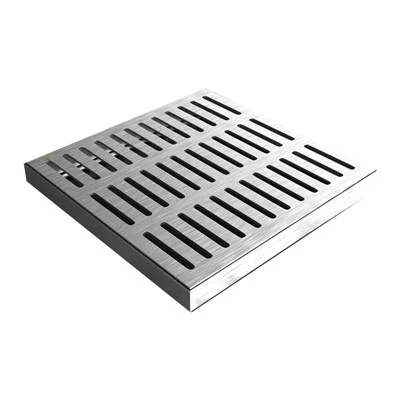
If you’re tired of cleaning clogged drains, dealing with floods, or overpaying for maintenance, let’s chat. Whether you need a single grate for your residential street, a bunch for a new development, or temporary grates for a construction project, we’ve got you covered. No pressure, no B.S., just good gear that does what it’s supposed to.
Stainless Steel Manhole Cover References:
- American Society of Civil Engineers. (2021). Stormwater Best Management Practices Handbook. ASCE Press.
- U.S. Environmental Protection Agency. (2022). Reducing Sediment Pollution from Urban Runoff. EPA Office of Water.
- National Association of Home Builders. (2020). Stormwater Infrastructure for Residential Development. NAHB Research Center.
- Oregon Department of Transportation. (2021). Maintenance Guidelines for High Sediment Load Drainage Systems. ODOT Publication.
- California Department of Forestry and Fire Protection. (2022). Post-Wildfire Stormwater Management Best Practices. Cal Fire.
Changxing Jianguo Ductile Iron Manhole Cover Factory
As one of the most professional stormwater grate manufacturers and suppliers in China, we also support customized service. Please rest assured to wholesale bulk durable stormwater grate in stock here from our factory. Welcome to contact us for quotation.
Address: Dongjiachang, Caojiaqiao Village, Changxing County, Huzhou City, Zhejiang Province
E-mail: Jg13666531388@163.com
WebSite: https://www.jianguomanhole.com/
