Spirulina powder has been making waves in the health food industry, touted as a superfood packed with an array of nutrients. As a supplier of high – quality spirulina powder, I often get asked about its vitamin content and whether it truly is a good source of vitamins. In this blog post, I’ll delve into the science behind spirulina’s vitamin profile to help you understand its potential benefits. Spirulina Powder

The Nutritional Powerhouse: Spirulina
Spirulina is a type of blue – green algae that grows in both saltwater and freshwater. It has been consumed by humans for centuries, with historical records indicating that it was a staple food for the Aztecs in ancient times. Today, it is marketed as a dietary supplement in the form of powder, tablets, or capsules due to its concentrated nutritional value.
Vitamin Content in Spirulina
Spirulina is rich in a variety of vitamins, making it a valuable addition to a balanced diet. Let’s take a closer look at some of the key vitamins found in spirulina and their functions.
1. Vitamin A
Vitamin A is essential for maintaining healthy vision, promoting proper immune function, and supporting cell growth and differentiation. Spirulina contains beta – carotene, a precursor to vitamin A. Beta – carotene is converted into vitamin A in the body as needed. This antioxidant helps protect cells from damage caused by free radicals, which are unstable molecules that can contribute to chronic diseases such as cancer and heart disease.
2. B – Vitamins
Spirulina is an excellent source of B – vitamins, including thiamin (B1), riboflavin (B2), niacin (B3), pyridoxine (B6), and cobalamin (B12).
- Thiamin (B1): Thiamin plays a crucial role in energy metabolism, helping the body convert carbohydrates into energy. It is also important for the proper functioning of the nervous system.
- Riboflavin (B2): Riboflavin is involved in energy production, antioxidant defense, and the metabolism of fats, drugs, and steroids. It is also essential for maintaining healthy skin, eyes, and nervous system.
- Niacin (B3): Niacin is necessary for normal cell function and metabolism. It helps to maintain healthy skin and nerves, and it also plays a role in the production of sex – and stress – related hormones.
- Pyridoxine (B6): Vitamin B6 is involved in over 100 enzyme reactions in the body, including the metabolism of amino acids, the synthesis of neurotransmitters such as serotonin and dopamine, and the regulation of gene expression.
- Cobalamin (B12): Vitamin B12 is unique among vitamins as it contains a cobalt atom. It is essential for the formation of red blood cells, the maintenance of the nervous system, and the synthesis of DNA. One of the remarkable aspects of spirulina is its relatively high B12 content, which is particularly beneficial for vegetarians and vegans who may be at risk of B12 deficiency.
3. Vitamin C
Although not present in extremely high amounts, spirulina does contain vitamin C. Vitamin C is a powerful antioxidant that helps boost the immune system, aids in collagen synthesis, and enhances the absorption of iron from plant – based foods.
Comparing Spirulina to Other Vitamin Sources
When it comes to evaluating whether spirulina is a good source of vitamins, it’s important to compare it to other common dietary sources. For example, in terms of vitamin A, carrots are well – known for their high beta – carotene content. However, spirulina can still contribute significantly to your daily vitamin A intake, especially if you’re looking for an alternative or additional source.
In the case of B – vitamins, meat, dairy products, and whole grains are traditional sources. But for vegetarians and vegans, spirulina can be a game – changer. Its B12 content is particularly notable, as plant – based foods are generally poor sources of this vitamin. While the bioavailability of B12 in spirulina is still a subject of some debate among scientists, many studies suggest that it can be a valuable addition to the diet for those following plant – based lifestyles.
Potential Health Benefits of Spirulina’s Vitamin Content
The vitamins in spirulina can contribute to a range of health benefits. For instance, the combination of vitamins A, C, and the antioxidants in spirulina can help strengthen the immune system. A strong immune system is crucial for defending the body against infections and diseases.
The B – vitamins in spirulina play a vital role in energy production. By supporting the metabolism of carbohydrates, fats, and proteins, they can help boost your energy levels and combat fatigue. Additionally, B – vitamins are important for maintaining healthy brain function and mental well – being.
The high vitamin A and B – vitamin content may also have benefits for skin health. Vitamin A is involved in cell turnover and can help keep the skin looking youthful and healthy. B – vitamins, such as biotin, can contribute to strong nails and hair.
Quality and Purity of Spirulina Powder
As a spirulina powder supplier, I understand the importance of quality and purity. The vitamin content and overall nutritional value of spirulina can vary depending on factors such as the growing conditions, harvesting methods, and processing techniques.
We ensure that our spirulina is grown in clean, controlled environments away from pollution and contaminants. During the harvesting process, we take great care to preserve the integrity of the nutrients. Our processing methods are designed to retain the maximum amount of vitamins and other beneficial compounds in the spirulina powder.
Incorporating Spirulina Powder into Your Diet
There are many easy ways to incorporate spirulina powder into your daily diet. You can add it to smoothies, juices, or yogurt for a nutrient – rich boost. It can also be mixed into salad dressings, soups, or baked goods. However, it’s important to start with a small amount, such as half a teaspoon, and gradually increase the dosage as your body adjusts to it. Some people may experience mild digestive discomfort when first consuming spirulina, but this usually subsides with continued use.
Conclusion
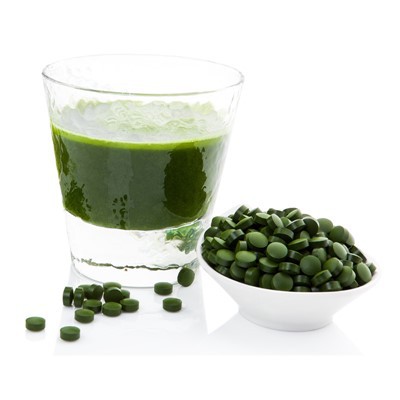
In conclusion, spirulina powder is indeed a good source of vitamins. Its rich vitamin profile, including vitamin A, B – vitamins, and vitamin C, offers a range of health benefits. Whether you’re looking to support your immune system, boost your energy levels, or improve your skin health, spirulina can be a valuable addition to your diet.
Phycocyanin As a supplier of premium spirulina powder, we are committed to providing you with the highest – quality product. If you’re interested in learning more about our spirulina powder or would like to discuss a potential purchase, please reach out. We’d be more than happy to assist you in making the right choice for your health and wellness needs.
References
- Becker, E. W. (1994). Microalgae as a source of protein. Biotechnology Advances, 12(4), 473 – 492.
- Habib, M. A., Hemaiswarya, S., Siddegowda, P., & Rajkumar, R. (2008). Potential applications of microalgae in aquaculture, food, and pharmaceuticals. Biotechnology Advances, 26(6), 663 – 686.
- Nutraceuticals and Functional Foods from Algae. (Eds. Olaizola, M.). CRC Press, 2003.
- Spolaore, P., Joannis – Crottaz, S., Duran, E., & Isambert, A. (2006). Commercial applications of microalgae. Journal of Bioscience and Bioengineering, 101(2), 87 – 96.
Dongtai City Spirulina Bio-Engineering Co., Ltd.
As one of the most experienced spirulina powder manufacturers and suppliers in China, we offer a wide range of products with superior quality. Please feel free to buy bulk spirulina powder made in China here from our factory. Good service and reasonable price are available.
Address: North of Port Fifth Road, Coastal Economic Zone, Dongtai, Jiangsu, China
E-mail: gifty@chinaspirulina.com
WebSite: https://www.chinaspirulina.com/
