Hey folks, let’s cut to the chase—when you see a towering lattice of steel crisscrossing the horizon, you probably don’t think about how it impacts the planet. But as someone who’s been a power transmission tower supplier for over a decade, I’ve heard the question a hundred times: “How do you make these things less tough on the environment?” Power lines are the backbone of our grid, right? We need them to keep lights on, hospitals running, and EV chargers juiced—but that doesn’t mean we can ignore their footprint. Let’s break down the real, actionable environmental mitigation measures we’re actually using, not the fluff you see in white papers. Power Transmission Tower
First off, let’s talk about something super basic but often slept on: site selection and route optimization. I’ve worked on projects where engineers initially wanted to plow a straight line through old-growth forest, and I had to push back hard. Straight lines might save steel, but they slash through wildlife corridors, fragment habitats, and disturb soil that’s been untouched for centuries. The fix here is using LiDAR and GIS mapping—we’re not just guessing anymore. We’ll run a digital scan of the area, layer in data on endangered species, wetlands, and even cultural sites, then tweak the route to avoid those hot spots. Last year, on a solar farm project in Texas, we helped reroute a line that would’ve cut through a nesting area for the endangered golden-cheeked warbler. It added 2 miles to the project, but the client saved themselves millions in fines and rework. Plus, they got a huge pat on the back from state wildlife officials. Win-win.
Next up, material choices that don’t suck. For years, transmission towers were made of virgin steel, which is energy-intensive to make and leaves a big carbon footprint. Now? We’re mixing in recycled steel—we’re talking 90% recycled content on most of our standard lattice towers. And not just any recycled steel; we source it from scrap yards that specialize in post-consumer steel, so we’re not taking new iron ore out of the ground. But that’s not all—we’ve started offering fiberglass and composite towers for smaller, lower-voltage lines. Composites don’t corrode like steel, so they last longer, and they’re way lighter, which means less soil disturbance during installation (no huge cranes tearing up the ground to haul heavy steel beams). I’ll be honest, composites used to be pricier, but the tech’s gotten way better, and the long-term maintenance savings make it worth it. A customer in Oregon used composite towers for a line through a sensitive riparian zone, and they haven’t had to do any touch-up painting or repairs in 5 years. The steel towers next to them? They’re already showing rust spots.
Then there’s design tweaks to reduce impact. We call this “right-sizing” the tower, and it’s a game-changer. A lot of suppliers use a one-size-fits-all design, but that’s wasteful. If a line’s only carrying 345 kV over flat ground, you don’t need a 500 kV tower built for mountainous terrain. We work with clients to calculate the exact load requirements—wind, ice, soil conditions—and size the tower just right. That means less steel, less material, less transportation, and lower emissions from building and hauling. Another design hack: using monopole towers instead of lattice towers where possible. Monopoles are single steel poles, and they use a smaller foundation—usually a drilled shaft instead of a huge concrete pad. Concrete’s not great for the environment, but a smaller pad means less cement, less excavation, and less concrete runoff seeping into the soil. We also add corrosion protection that’s not toxic. Instead of hot-dip galvanizing with chemicals that can leach into water, we use a eco-friendly zinc-rich primer that’s just as durable, if not more so. A client in Florida told us their tower foundation runoff used to test positive for heavy metals—switching to our new coating fixed that, and they passed their EPA inspection on the first try.
Installation practices matter too—this is where a lot of projects mess up. We’ve all seen those photos of construction sites where the ground is churned up for miles around a tower base, but that’s avoidable. We use smaller cranes that can be transported on narrow trails, so we don’t have to build temporary access roads that fragment habitat. And for drilling foundations, we use directional drilling in some areas instead of digging big trenches. Directional drilling lets us drill the foundation underground without disturbing the surface at all—perfect for areas with shallow bedrock or sensitive plant roots. We also have a rule: if we disturb more than 10% of the area around a tower, we’re doing something wrong. After installation, we work with local crews to reseed native plants around the foundation, not grass or invasive species. Those plants hold the soil in place, prevent erosion, and provide food for local wildlife. Last year, on a project in the Appalachians, we worked with a group of botanists to reseed with native wildflowers and ferns, and by the next spring, butterflies and bees were already using the area.
Wait, let’s not forget about end-of-life planning. Too many people treat transmission towers like they’re permanent, but they only last 30-40 years before needing replacement. Old steel towers used to be left to rust or sent to landfills, but now we have a take-back program. When a tower’s at the end of its life, we come take it apart, melt down the steel to make new towers, and recycle any concrete (we crush it up for road base). Last year, we took back 12 old towers from a project in upstate New York, and 95% of the material was recycled. The remaining 5% was just small hardware that couldn’t be melted down—we sent that to a certified e-waste facility. We also design our towers to be easy to disassemble from day one, no special tools required. That cuts down on installation waste too—no cutting or welding on site, which means less scrap metal left behind.
Another big one: energy efficiency of the towers themselves. Yeah, towers don’t generate electricity, but they lose energy through electrical resistance, and that adds up. We use high-conductivity aluminum alloy conductors that cut down on line loss by up to 10%. Multiply that over thousands of miles of line, and that’s millions of megawatt-hours saved every year—energy that doesn’t have to come from a coal or gas plant. We also make sure the towers are grounded properly to reduce electrical interference that can mess with wildlife, especially birds. We’ve added perches that are designed to keep birds from touching both conductors at the same time, and some of our newer towers have bird diverters that are visible to migratory birds, so they don’t fly into lines. A lot of people don’t realize that bird collisions with power lines kill hundreds of thousands of birds every year—small design changes fix that.
Now, I know what you’re thinking: “This all sounds great, but does it actually cost more?” For a while, maybe, but not anymore. Recycled steel is cheaper than virgin steel because it’s already processed. Composite towers used to be pricey, but as demand goes up, the cost is coming down to almost parity with steel. And the long-term savings are huge—less maintenance, fewer fines, better public relations. A client in California switched to our mitigation-focused designs, and they saw a 15% reduction in total project costs over 10 years, plus they got certified as a “sustainable energy infrastructure provider” which helped them win more projects.
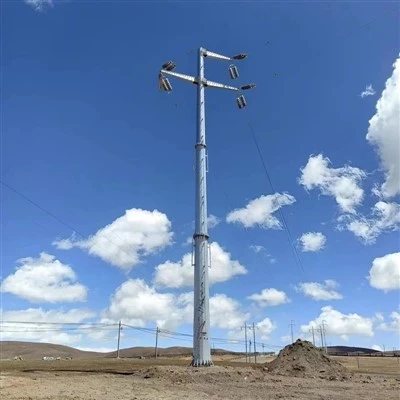
Lightning Protection Tower Here’s the thing: power transmission is necessary, but it doesn’t have to be harmful. As a supplier, I don’t have to choose between building reliable towers and protecting the planet. We’ve been doing this for years, testing new materials, tweaking designs, and working with clients to make every project as eco-friendly as possible. If you’re in the market for transmission towers, and you care about reducing environmental impact, let’s talk. We can walk through your project, figure out the best mitigation measures for your specific site, and deliver a tower that’s strong, reliable, and kind to the planet. No jargon, no hidden fees—just real solutions that work.
References
- U.S. Environmental Protection Agency. (2022). Sustainable Siting and Design of Transmission Infrastructure.
- International Energy Agency. (2023). Grid Decarbonization: Mitigation Strategies for Transmission Assets.
- American Iron and Steel Institute. (2021). Recycled Steel in Power Transmission Applications.
- National Renewable Energy Laboratory. (2022). Composite Transmission Towers: Performance and Lifecycle Analysis.
- U.S. Fish and Wildlife Service. (2021). Wildlife Protection Guidelines for Transmission Line Construction.
Hunan Zhubang Hongsheng Construction Technology Co., Ltd.
As one of the most professional power transmission tower manufacturers and suppliers in China, we’re featured by quality products and good price. Welcome to buy high-grade power transmission tower made in China here and get quotation from our factory. Customized orders are welcome.
Address: Lutang Village, Yong’an Town, Liuyang City, Changsha City, Hunan Province, Hunan Zhubang Hongsheng Construction Technology Co., Ltd.
E-mail: 19898838989@163.com
WebSite: https://www.chinaenerto.com/
