As a supplier of open frame gasoline generators, I’ve encountered numerous inquiries from customers about the electrical outlet configuration of these versatile power sources. Understanding the electrical outlet configuration is crucial for both ensuring that the generator can meet your specific power needs and for safe and efficient operation. In this blog post, I’ll delve into the key aspects of the electrical outlet configuration of open frame gasoline generators, explaining the types of outlets you’re likely to encounter, their capacities, and how to choose the right setup for your circumstances. Open Frame Gasoline Generator
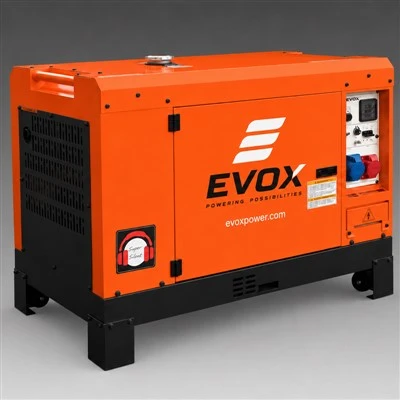
Types of Electrical Outlets on Open Frame Gasoline Generators
Open frame gasoline generators typically come equipped with a variety of electrical outlets, each designed to accommodate different types of electrical devices and appliances. The most common types of outlets found on these generators include:
1. Standard Household Outlets (120V)
These are the most familiar outlets, resembling the ones in your home. They usually have two flat parallel prongs and a round grounding prong. Standard household outlets on generators are typically rated for 120 volts (V) and can handle a certain amperage, usually 15 or 20 amps (A). The 15-amp outlets are suitable for powering smaller devices such as laptops, televisions, and small power tools. The 20-amp outlets, on the other hand, can handle slightly more power and are often used for larger appliances like refrigerators or power-hungry power tools.
2. Twist-Lock Outlets (120V or 240V)
Twist-lock outlets are designed to provide a more secure connection than standard household outlets. They require the plug to be inserted and then twisted to lock it in place, reducing the risk of the plug accidentally coming loose. These outlets come in various configurations, including 120V and 240V options. The 240V twist-lock outlets are commonly used for high-power appliances such as electric dryers, welders, or large air conditioners. The specific amperage rating of twist-lock outlets can vary, with common ratings being 20A, 30A, or 50A.
3. RV (Recreational Vehicle) Outlets
Many open frame gasoline generators are equipped with RV outlets, which are specifically designed to meet the power needs of recreational vehicles. These outlets typically provide a 30-amp, 120V power supply, which is standard for most RVs. The RV outlet has a unique configuration with a single vertical prong and two horizontal prongs, ensuring a secure and proper connection for RVs.
4. DC (Direct Current) Outlets
Some generators also feature DC outlets, which are used to charge batteries or power DC devices. These outlets typically provide a 12V DC power supply and can be used to charge car batteries, power small DC appliances, or connect to solar panels for charging purposes.
Outlet Capacities and Power Ratings
The capacity of each outlet on an open frame gasoline generator is determined by its voltage and amperage ratings. To calculate the power (in watts) that an outlet can handle, you simply multiply the voltage by the amperage. For example, a 120V, 15A outlet can handle a maximum power of 120V x 15A = 1800 watts.
It’s important to note that the total power output of a generator is limited, and you need to ensure that the combined power draw of all the devices connected to the outlets does not exceed the generator’s rated capacity. Overloading a generator can lead to overheating, damage to the generator, and even pose a safety hazard.
Choosing the Right Outlet Configuration
When choosing an open frame gasoline generator, it’s essential to consider your specific power needs and the types of devices you plan to power. Here are some factors to keep in mind:
1. Power Requirements of Your Devices
Make a list of the devices you want to power with the generator and note their power requirements (in watts). This will help you determine the total power output you need from the generator. For example, if you plan to power a refrigerator (which typically requires around 600 – 800 watts), a few lights (each around 60 – 100 watts), and a small power tool (around 500 – 1000 watts), you’ll need a generator with a sufficient power output to handle the combined load.
2. Type of Devices
Consider the types of devices you’ll be using. If you have high-power appliances such as electric dryers or air conditioners, you’ll need a generator with a 240V outlet. If you plan to use the generator to power an RV, make sure it has an RV outlet.
3. Number of Outlets
Think about how many devices you’ll need to power simultaneously. If you have multiple devices, you’ll need a generator with enough outlets to accommodate them. Some generators come with multiple outlets of the same type, while others offer a combination of different outlet types to meet a variety of needs.
4. Safety Features
In addition to the outlet configuration, it’s important to consider the safety features of the generator. Look for generators with features such as circuit breakers, which automatically shut off the power if the load exceeds the generator’s capacity, and grounded outlets to prevent electrical shocks.
Safety Considerations When Using Generator Outlets
When using the electrical outlets on an open frame gasoline generator, it’s crucial to follow these safety guidelines:
- Proper Grounding: Ensure that the generator is properly grounded. This helps prevent electrical shocks and reduces the risk of electrical fires.
- Load Balancing: Distribute the load evenly across the outlets to prevent overloading any single outlet. Avoid connecting high-power devices to the same outlet or circuit.
- Use Appropriate Cords: Use only heavy-duty, grounded extension cords that are rated for the amperage and voltage of the generator. Inspect the cords regularly for damage and replace them if necessary.
- Keep the Generator Dry: Do not operate the generator in wet conditions, as this can increase the risk of electrical shock. If you need to use the generator outdoors, make sure it is protected from rain and moisture.
- Follow the Manufacturer’s Instructions: Always read and follow the manufacturer’s instructions for operating and maintaining the generator. This includes proper starting, stopping, and refueling procedures.
Conclusion

Understanding the electrical outlet configuration of an open frame gasoline generator is essential for making an informed decision when purchasing a generator and for using it safely and effectively. By considering your specific power needs, the types of devices you plan to power, and the safety features of the generator, you can choose the right outlet configuration to meet your requirements.
Engine If you’re in the market for an open frame gasoline generator and need more information or have specific questions about our products’ electrical outlet configurations, feel free to contact us. Our team of experts is ready to assist you in selecting the perfect generator to suit your needs. We look forward to the opportunity to serve you and help you find the right power solution for your situation.
References
- General Electric Power Equipment Handbook
- American National Standards Institute (ANSI) Standards for Electrical Equipment
- National Fire Protection Association (NFPA) 110 Standard for Emergency and Standby Power Systems
Evoxpower Technology
Evoxpower Technology is one of the most professional open frame gasoline generator manufacturers and suppliers in China, featured by quality products and good service. Please rest assured to buy the newest open frame gasoline generator in stock here and get pricelist from our factory. Contact us for customized service and OEM service.
Address: 11 Fortune Avenue, Yubei District, Chongqing, China
E-mail: stephen@allrightpower.com
WebSite: https://www.evoxpower.com/
